With a name that also means “a liqueur flavored with the
peel of bitter oranges,” the Caribbean island nation of Curacao is
unsurprisingly home to a diverse culinary scene. Located off the coast of
Venezuela and once a Dutch colony, Curacao offers food that is the result of many
years of influence — not only by Dutch colonization but from Creole, Spanish,
French, Indonesian and Portuguese settlement, among others.
A wealth of culinary selections, enjoyed with any of the
country’s pristine coastlines as a backdrop, makes a trip to Curacao satisfying
to the palate as well as to the eye. Be sure to mention these unique food and
drink items to clients looking for a truly rewarding Curacao culinary
adventure.
Batido
After a swim at one of Curacao’s balmy beaches, clients can refresh with batidos, which are drinks made with frozen fruit, milk and sugar. A cross between a milkshake and a smoothie, they come in a variety of tropical flavors, such as mango, papaya, pineapple or tamarind.
Where to Find This: Stands and trucks hawking this island special are ever-present, including 100% Batidos and Anders Shakes in Willemstad.
Curacao Cocktails
Made with the island’s namesake liqueur, these cocktails are commonly colored with a marine-blue syrup meant to reflect the hue of the Caribbean Sea. The tart oranges that flavor the liqueur are actually Curacao-grown versions of Valencia oranges that were transplanted from Spain in the 16th century; the crops later turned bitter in the Caribbean climate.
Now known as Laraha (or Curacao) oranges, these fruits are repurposed for their fragrant skins, which are dried and pressed in order to produce the nation’s signature liqueur.
Where to Find This: Most bars in and around Willemstad serve this azure concoction, including Hemingway, Pirate Bay Curacao Beach Club and Restaurant and Restaurant & Cafe Gouverneur De Rouville.
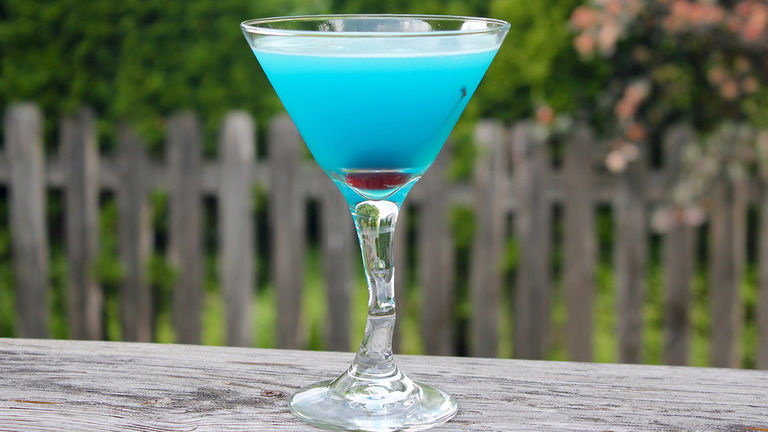 Curacao liqueur is often colored with an electric shade of blue.
Credit: 2019 Creative Commons user neustadtsDutch Confections
American travelers don’t have to cross the Atlantic Ocean to try the best Dutch treats. For clients looking to satisfy their sweet tooth, Curacao serves some of the Netherlands’s most popular confections. A stroopwafel — which is caramel sandwiched between two wafer-thin layers of dough — is the perfect companion to a cup of coffee, while poffertjes are puffy, bite-sized pancakes easily enjoyed as an on-the-go snack. Similarly, oliebollen are like doughnut holes: deep-fried and topped with powdered sugar.
Where to Find This: At Plasa Bieu, or Old Market, in Willemstad, one can find these and other Dutch snacks on sale by several vendors. They are also widely available in supermarkets and bakeries, such as Van Den Tweel Supermarket Zeelandia.
 Stroopwafels are typically enjoyed warm and accompanied by a hot cup of coffee.
Credit: 2019 Creative Commons user 164626333@N02Guiambo
Curacao’s version of gumbo is made with chopped okra, giving the soup its thick consistency. Fish, shrimp and oysters are thrown in the mix, thus producing a seafood broth that contributes to guiambo’s hearty taste.
Where to Find This: Locals and tourists alike can find many traditional Curacao favorites — including guiambo, pumpkin pancakes and fried snapper — at the stalls of Plasa Bieu.
Keshi Yena
In the creole language of Papiamento — an official language of Curacao, alongside Dutch and English — keshi yena means “stuffed cheese.” Considered the signature dish of Curacao, keshi yena is a prime example of the country’s culinary fusion, as it bursts with many flavors.
Consisting of a ball of gouda or Edam cheese stuffed with spiced meat, olives, raisins, capers, onions and tomatoes, keshi yena is served either baked or steamed in banana leaves. The dish’s origin is believed to date to the days of Dutch imperial rule, during which slaves filled rinds of cheese with leftover meat.
Where to Find This: Keshi yena can be found in Plasa Bieu as well as eateries Restaurant & Café Gouverneur De Rouville and La Bahia.
Lionfish
A number of Curacao restaurants are turning the invasive species of lionfish into a sustainable industry. After their venomous spines are properly removed, lionfish can be enjoyed safely and deliciously in a variety of forms: ceviche, fritters, tacos or pan-fried on its own.
Where to Find This: Sol Food in Westpunt, Iguana Cafe in Willemstad and Pirate Bay in Piscadera all have made lionfish a main draw of their menus.
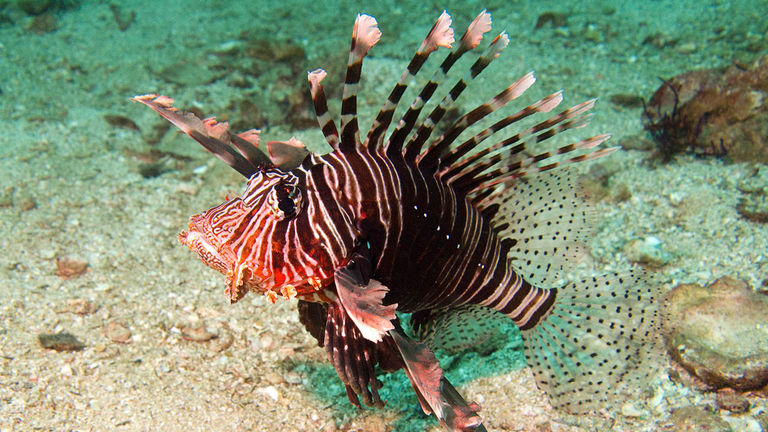 Restaurateurs on Curacao have found a solution to the lionfish’s threat to marine life.
Credit: 2019 Creative Commons user joiStoba
A popular hearty stew with various interpretations throughout the Caribbean, stoba on Curacao is usually made with goat meat, with beef or chicken as alternatives. Other ingredients comprising the spiced stew are potatoes, carrots and peppers; some eateries on Curacao will also add papaya for additional sweetness amid the normally spicy, tangy flavor profile. Commonly served with stoba is funchi, a starchy side dish made from cornmeal or polenta.
Where to Find This: Restaurant & Cafe Gouverneur De Rouville, E Lanternu and Rozendaels Original Cuisine all serve up this comforting stew.
